Taste the Season: Rethinking How We Harvest Honey
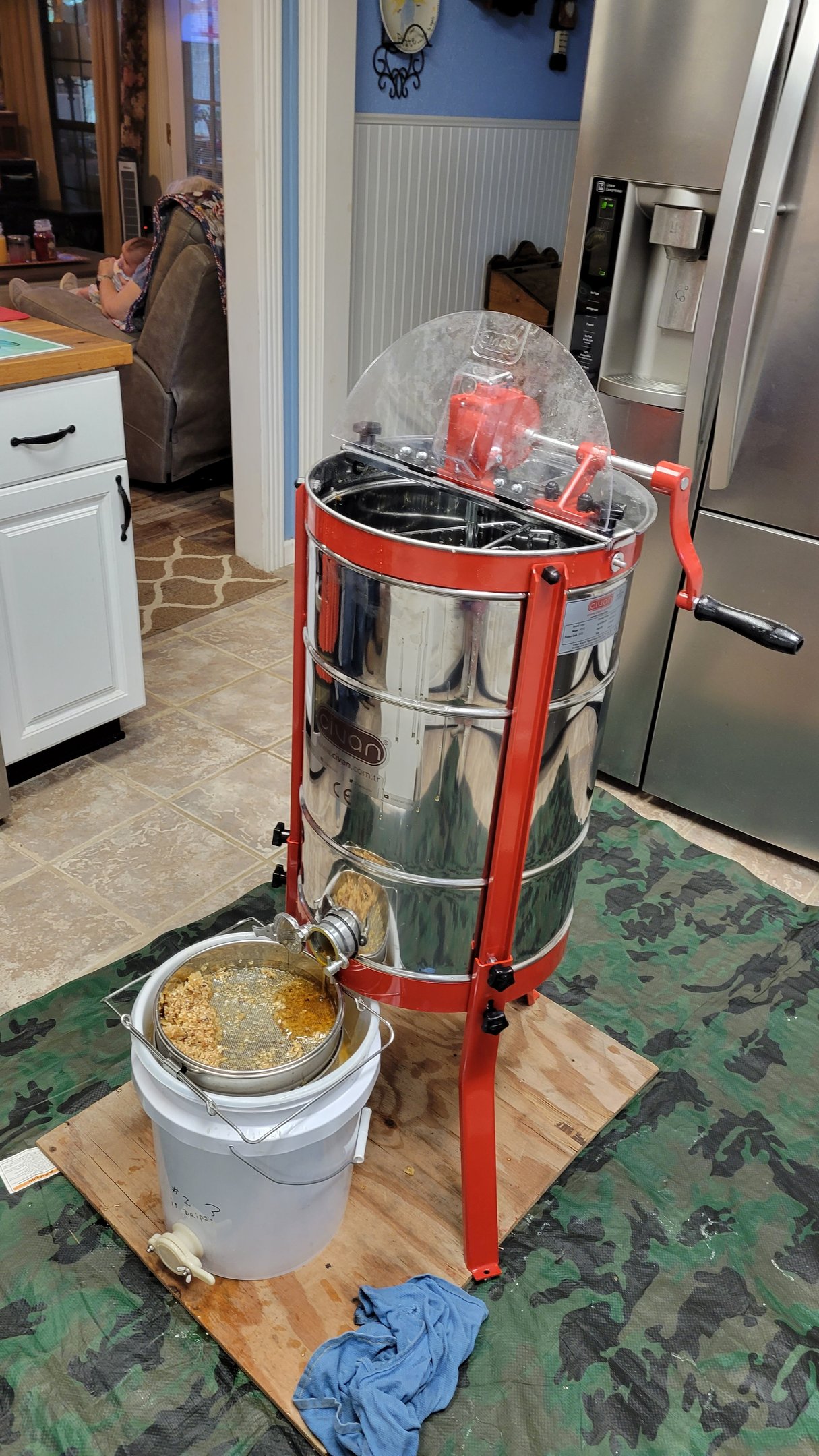
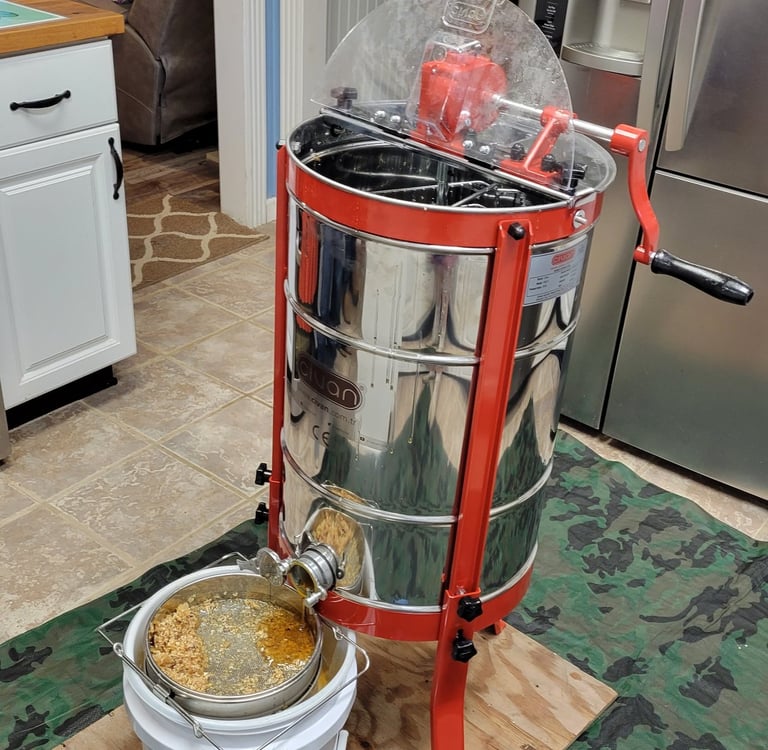
For generations, beekeepers have followed a familiar rhythm: wait for the major nectar flow, allow the bees to build comb and fill frames, then perform a single, large extraction. This traditional approach works—but it also leaves value on the table.
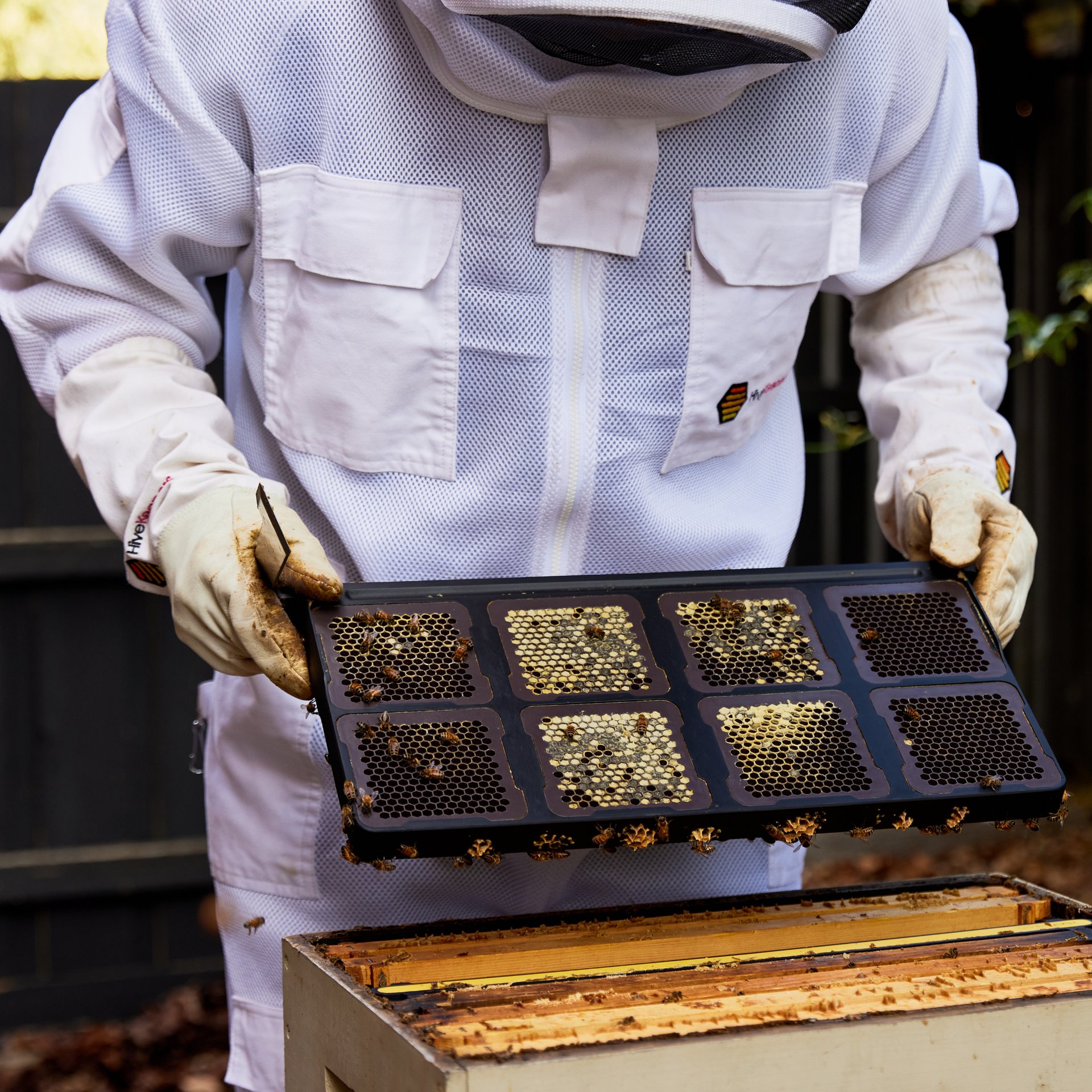
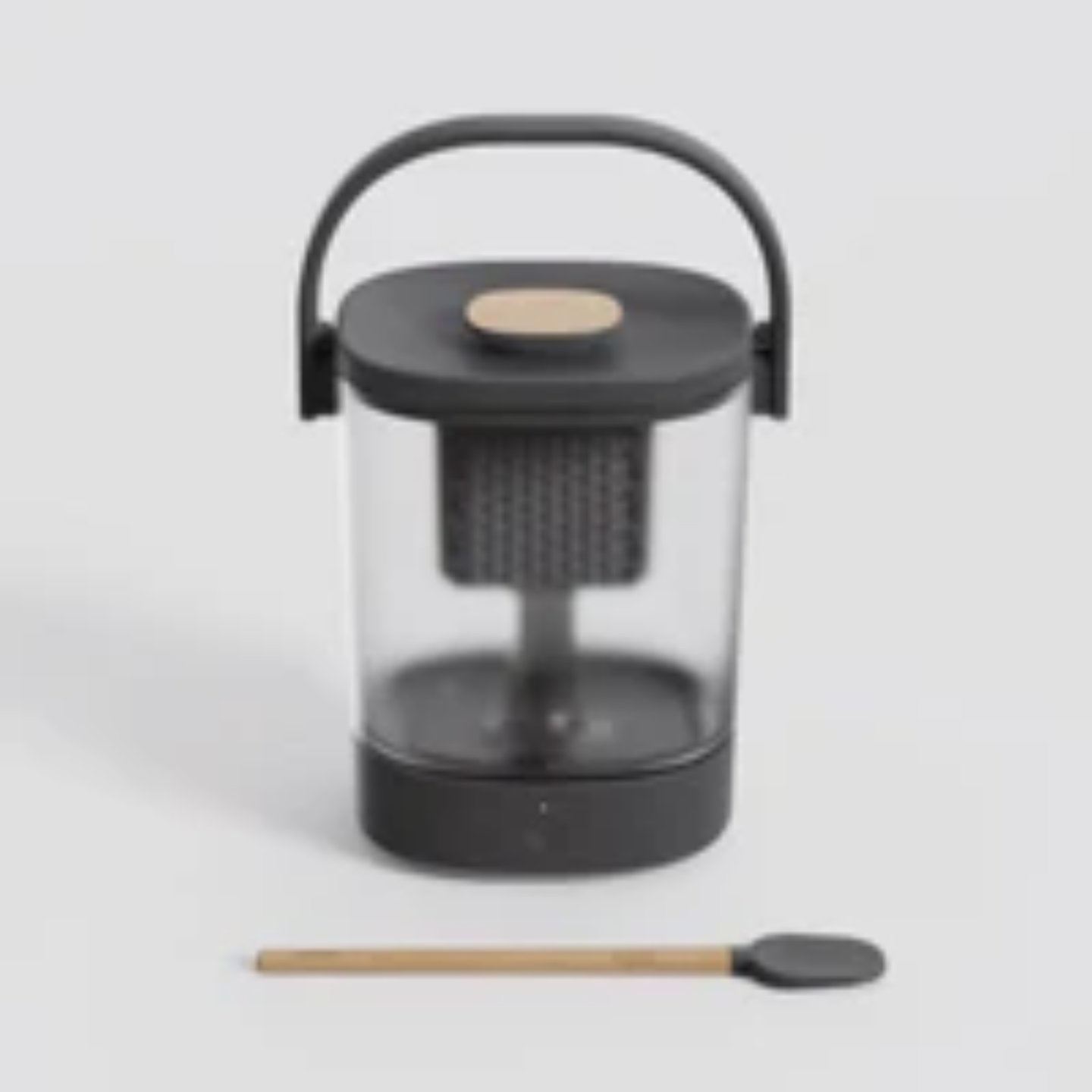
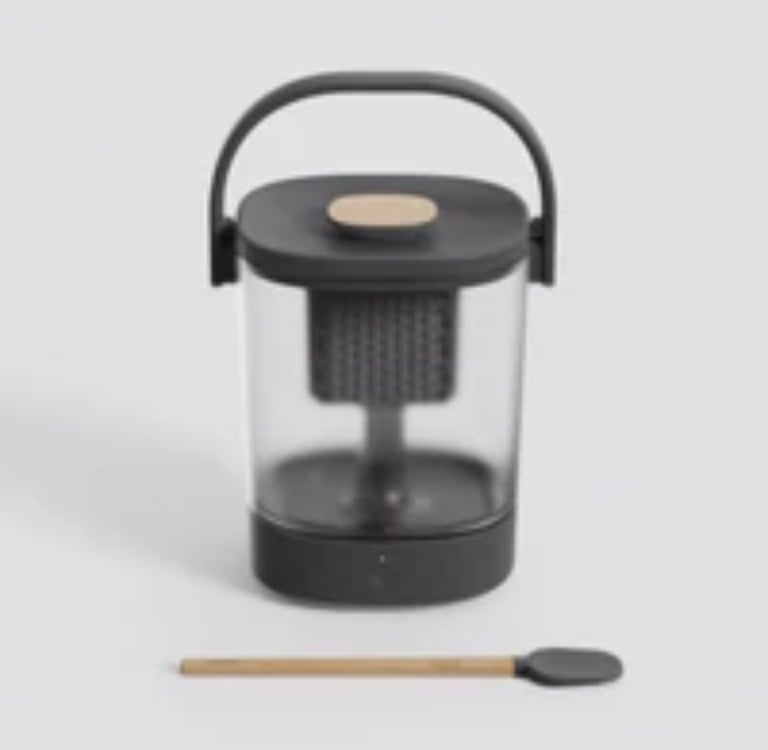
The Micro Honey Harvester from Hivekeepers introduces a next-generation model that aligns more closely with how bees actually live and work, while giving beekeepers the opportunity to capture something that has long been lost: distinct, seasonal flavor profiles.
Let’s explore how understanding bee behavior can help you get the most from your investment.
Understanding the Traditional Model
In conventional beekeeping, timing is everything.
Beekeepers watch for peak nectar flows—periods when local flora produce abundant nectar. These flows:
Stimulate bees to build wax comb
Encourage rapid nectar collection
Allow colonies to store surplus honey
Once the flow slows or ends, beekeepers typically harvest all the honey at once.
The Hidden Trade-Off
While effective, this “single-event extraction” comes with a major compromise:
All nectar sources are blended into one uniform honey.
Throughout a season, bees forage from many different blooms—clover, wildflowers, tallow, citrus, mesquite, and more. Each contributes unique:
Aromas
Colors
Taste characteristics
Nutritional compositions
But when frames are extracted together, these distinct profiles are lost in a mixed harvest.
How Bees Actually Work
To understand the advantage of the Micro Harvester, it helps to think like a colony.
Bees don’t collect nectar all at once. Instead, they:
Follow bloom cycles as they change week to week
Focus heavily on dominant nectar sources at any given time
Store nectar in specific areas as it ripens into honey
Cap cells when moisture content is optimal
This means that within your hive, at any given moment, different sections may represent different floral sources and moments in time.
Introducing the Next-Generation Approach
The Micro Honey Harvester breaks away from the “all-at-once” model and replaces it with precision harvesting.
Instead of waiting for a full-frame extraction, beekeepers can:
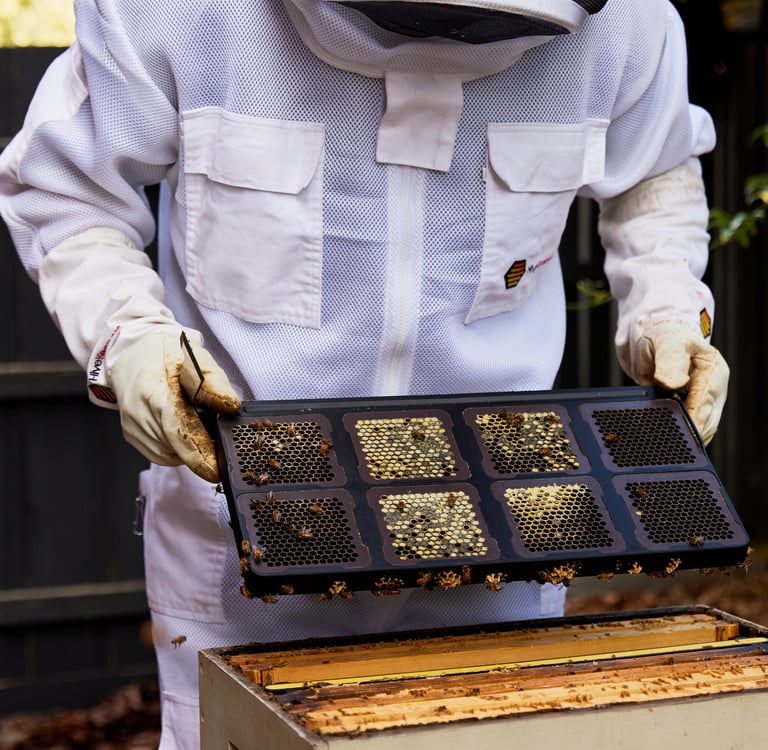
Harvest individual cassettes as they are completed
Leave unfinished areas undisturbed
Return emptied cassettes immediately for reuse
This creates a continuous, flexible harvesting cycle that mirrors how bees naturally produce honey.
Capturing Single-Source and Micro-Batch Honey
This shift unlocks one of the most exciting opportunities in modern beekeeping:
🌼 Flavor Differentiation
By harvesting cassettes as they finish, you can:
Capture early spring blooms separately from summer flows
Isolate specific nectar sources when they dominate
Create true micro-batch honey
Instead of one blended product, you now have a portfolio of flavors.
Deepening the Personal Value of Your Harvest
The Micro Honey Harvester doesn’t just change how you collect honey—it changes how you experience your bees and the season as a whole.
1. A More Connected Beekeeping Experience
Instead of waiting for a single extraction day, you become more engaged with the hive over time. You begin to notice:
Subtle shifts in nectar flow
Changes in color and aroma from cassette to cassette
The rhythm of your local blooms
Harvesting becomes less of a task and more of an ongoing relationship with your bees and your environment.
2. Tasting the Seasons as They Happen
Each cassette tells a story of what was blooming at that exact moment. By harvesting individually, you can:
Taste early spring versus peak summer side by side
Recognize when one floral source gives way to another
Build a deeper appreciation for your local forage
What was once “one jar of honey” becomes a collection of lived seasonal moments.
3. Supporting the Bees’ Natural Flow
Because you’re only removing what’s finished and returning the cassette quickly:
Bees can continue their work with minimal interruption
Comb remains in use instead of being heavily processed all at once
The hive maintains a steadier rhythm
This approach feels less intrusive and more in sync with how the colony naturally operates.
4. Turning Observation into Insight
Frequent, small harvests encourage you to slow down and observe:
When are bees capping faster?
What conditions produce the most fragrant honey?
How does weather shift their work?
Over time, these observations build a deeper understanding that simply isn’t possible with a once-a-season extraction.
Aligning With the Bee Lifecycle
To maximize the Micro Harvester’s value, think in terms of the colony’s natural cycles:
Early Flow
Observe rapid nectar intake
Begin checking for finished cassettes sooner than usual
Capture delicate early-season flavors
Peak Flow
Harvest frequently
Keep empty cassettes cycling back into the hive
Take advantage of high productivity
Late Flow / Transition
Track shifts in floral sources
Capture final seasonal flavor profiles
Prepare colony for slowdown without overharvesting
From Bulk Harvesting to Intentional Beekeeping
The Micro Honey Harvester isn’t just a tool—it’s a mindset shift.
Instead of asking:
“When do I extract everything?”
You begin asking:
“What is the hive producing right now—and how can I preserve it?”
This approach turns beekeeping into a more:
Observational
Adaptive
Experience-driven practice
Get in touch
Address
1010 Magnolia Bvld Suite K
Magnolia Tx, 77355
www.magnoliabeeandsupply.com
Magnolia, Texas 77355
Contacts
281-305-4072
info@magnoliabeeandsupply.com
magnoliabeeandsupply@gmail.com
Provide your email address below to stay informed of specials offers, other beekeeping related information